
Playing along with a live broadcast changes the rhythm of a session entirely. You watch the presenter’s timing, the spin cadence, and the way bankroll calls are framed, then decide whether that pace matches your own. For punters who like a bit of company at the screen, a how to punt on hold and win pokies video stream can feel like a shared arvo at the terminal, though the maths never changes just because someone else is calling the results. I’ve spent thirty years tuning slot mechanics for licensed entertainment brands, and the discipline that keeps a game fair on a casino floor is the same discipline you need when someone else is narrating your spins.
What the stream setup actually offers
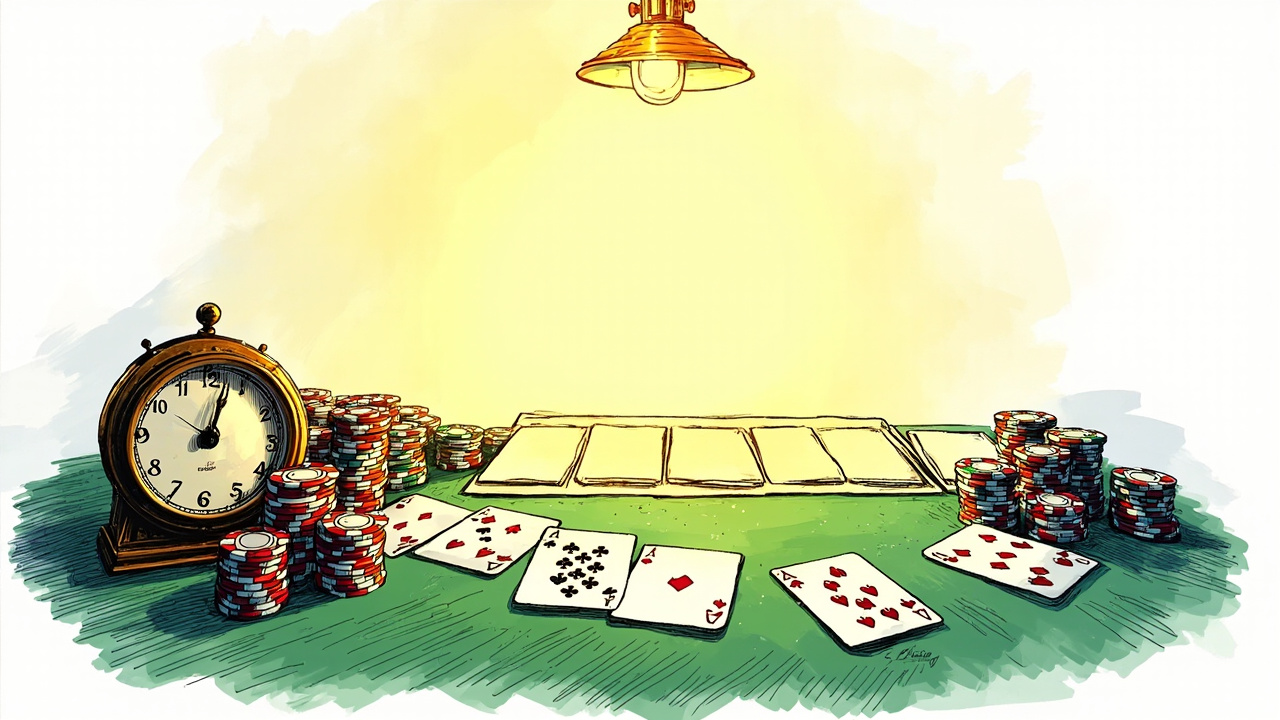
A how to punt on hold and win pokies video stream is built around a presenter running a real session on a licensed game library, not a simulation or a demo that resets on command. The feed usually carries a clear bankroll display, a running tally of bets per spin, and a chat window where viewers can ask about volatility or bet sizing without the presenter stepping away from the game. The strongest streams keep the visual clutter low, show the paytable without hiding it behind overlays, and pause the commentary long enough for the reels to do their work. That matters because a thirty-year design veteran knows the eye gets pulled toward bright near-miss animations long before the maths does, and a good broadcast leaves enough silence for you to notice that gap.
The practical side is straightforward. Registration is usually tied to the presenter’s partner site rather than the stream itself, so you still go through a proper sign-up with age checks and a standard verification flow. Payments tend to sit in Australian dollars, with deposits and withdrawals handled by the same operators you would use anywhere else, and the stream never asks you to move money through the video link. Mobile playback works fine in a browser, though the chat can feel cramped on a phone screen while you are trying to track bet size and balance at the same time. If you want a closer look at the operator side before you sit in, the luckyelf bonus page lays out the entry terms without making you hunt through a cluttered lobby.luckyelf bonus
Reading the broadcast without chasing it
The main reason people sit in on a how to punt on hold and win pokies video stream is to watch how a session unfolds in real time, then decide what to copy and what to leave alone. A presenter might run a tight stop-loss, raise the line after a warm patch, or pull back after a rough hour, and those calls are useful only if you separate the decision from the result. I’ve balanced player psychology on hundreds of titles, and the same trap shows up everywhere: a short win sequence feels like a pattern, while a short loss sequence feels personal, even though the underlying hit frequency has not moved. The stream is most useful when you treat it as a live case study in pacing rather than a signal that the next spin is owed to you.
That mindset helps with bet sizing more than anything else. If you watch a presenter hold a fixed line through a dry patch and come back steady, you can test the same discipline on a smaller stake without copying the whole bankroll. If you see a presenter chase losses by lifting the bet after every bad round, you can note the tilt and do the opposite. The chat can help or hurt here, depending on who is speaking. A useful thread asks about volatility, paylines, and session length; a noisy one pushes you to “join the next hot run,” which is usually just a way of saying the presenter got lucky for ten minutes. If you want a grounded read on how Australian streamers set up their sessions, the piece on pokies streamers in Australia walks through what to check before you spend an hour watching.
Who the stream actually fits
A how to punt on hold and win pokies video stream suits a specific sort of punter, and it is not the person who wants a quiet solo spin with no outside noise. It fits better with someone who likes a bit of structure around the session and wants to see how bankroll calls look when they are spoken out loud. The first fit is the learner who is still getting comfortable with volatility and wants to watch a real session instead of reading a static paytable. The second is the social player who enjoys the company of a broadcast but still wants to keep their own stakes and limits separate from the presenter’s. The third is the casual punter who only plays now and then and wants a clear sense of when a session is getting long in the tooth.
Those fits line up only when the stream keeps its own house in order. A presenter who calls stop points, explains why a game was chosen, and does not pretend that a lucky run is a system is worth sitting with. A presenter who leans on hype, dodges questions about limits, or treats the chat like a tip line is not. The table below sketches the difference in plain terms, because the distinction matters more than the graphics or the streamer’s personality.Pokies E Streamers Na Austrália: Como
| What to watch for | Useful signal | Warning signal |
|---|---|---|
| Session pacing | Clear start and stop calls, steady bet line | Rapid bet swings after losses |
| Game choice | Volatility and paylines stated plainly | “This one is due” talk with no basis |
| Chat tone | Questions about bankroll and limits | Pressure to raise stakes or join a run |
| Broadcast clarity | Balance, bet size, and paytable visible | Key numbers hidden behind overlays |
Keeping your own limits while watching
Sitting in on a how to punt on hold and win pokies video stream works best when you keep your own limits in front of you and treat the presenter’s session as a separate thing. That mega-joker-au.net means setting a deposit cap before you join the feed, deciding on a session length, and stepping away when the chat starts pulling hard toward a bigger bet. Darwin punters know the heat can make a long session feel shorter than it is, and a stream can have the same effect on your sense of time, so a hard stop is worth more than a vague intention to “have a few more”. I’ve seen the same psychology on licensed floors for decades: the room noise, the lights, and the company all nudge a player toward one more spin, and a video feed can do exactly the same from a screen.
The practical move is to keep your own record, even if it is only a note on your phone. Write down your starting bankroll, the stake you are comfortable with, and the point where you walk away, then check against that note instead of the presenter’s balance. If the stream is running on a site that offers a clear bonus structure, read the terms before you use it, because a bonus that looks friendly on the surface can still carry a play-through that changes how long you can stay in. No stream makes the maths kinder, and no broadcast turns a volatile game into a steady earner, so the discipline you bring is the only part you actually control. If you reckon the session is getting busy as hell and your notes are telling you to stop, that is usually the moment to close the tab and come back another day.
What do you reckon makes a stream worth sitting with, and what is the first sign you use to step away from the screen?
