When I was selling enterprise software across APAC, I learned fast that a product built for a ten-minute demo rarely survives a full workday. The same logic applies to pokies recommended for short sessions: you want fast loading, clear paylines, and a pace that respects the clock instead of stretching a break into an evening. Offering online casino-style games (like online pokies) to Australians is largely prohibited under federal law, so any platform worth your time has to be upfront about where it actually operates and how it handles verification before you even spin. I’ve seen too many products fail because they promised flexibility and then buried you in paperwork the moment you tried to move money.
What makes a short-session pokie actually work

A proper short-session machine is built around pacing, not noise. The reels should load in under a second on a decent connection, the paytable needs to be one tap away, and the volatility should match a quick coffee rather than a long haul. B. F. Skinner’s experiments underpin our understanding of intermittent rewards, and that is exactly why a tight session needs predictable feedback loops instead of a machine that constantly resets your attention. I’ve pitched SaaS dashboards where the onboarding took thirty seconds and the value was obvious by minute two; a pokie for a short break should work the same way. If you are standing in a Hobart pub waiting for the arvo shift to start, you do not want a game that demands a twenty-minute warm-up before anything interesting happens.
The providers matter here more than the theme. Look for titles that keep the bet range narrow enough that a small stack lasts a reasonable run, but not so tight that the variance flatlines. A good short-session pokie lets you adjust lines and coin value without digging through three menus, and the auto-play should stop cleanly when you set a loss or win limit rather than running until the balance is gone. I once reviewed a RegTech onboarding flow that asked for six documents before you could see the product; any casino-style platform that makes you fight the interface before the first spin is doing it wrong. For a quick session, the friction has to be low, the rules visible, and the exit as easy as the entry.
Payments, verification and how the cashier actually behaves
Money movement is where a short-session setup either earns its keep or turns into a paperwork exercise. The right platform keeps the cashier visible, lists the accepted cards and wallets up front, and processes a standard payout without making you chase it across three different screens. I’ve spent years in FinTech sales where a broken payment flow killed the deal before the product ever got a proper trial; the same principle applies here. If you cannot see the processing window, the currency, and the verification step in one place, you are not looking at a setup built for a quick break.
Currency clarity matters more than people admit. A platform that only quotes in one major currency and hides conversion inside the bet slip will quietly eat into a short next session, especially if you are used to thinking in Australian dollars. Verification should happen once, cleanly, and before you try to withdraw rather than after you have already won something and are waiting on a response. Deposits need to settle fast enough that you are not sitting around waiting for a balance to update, and withdrawals should have a stated processing window that matches what the cashier actually says. Self-exclusion programs let Australian gamblers voluntarily ban themselves from casinos and clubs, and a responsible short-session platform should make that option easy to find rather than hiding it behind a support ticket.
| Cashier feature | What to expect for a short session |
|---|---|
| Deposit methods | Cards and common wallets listed on the cashier page |
| Currency display | Clear local currency with no hidden conversion in the bet slip |
| Verification timing | Identity checks completed before the first withdrawal request |
| Processing window | Stated payout timeframe that matches the cashier description |
| Exit tools | Self-exclusion and session limits easy to locate in the account menu |
Picking the right pace for a Hobart lunch break or an arvo spin
Geography changes the rhythm more than most people expect. In Hobart, the pace of a short break can be very different from a big city club night, and a pokie that works for a ten-minute window in a waterfront office may feel completely wrong when you are squeezing in a spin between errands. I’ve sold real estate tech where the same product had to work for a busy Saturday open house and a quiet Tuesday listing update; the interface had to adapt to the moment instead of forcing the moment to adapt to it. A short-session pokie should respect that same flexibility.
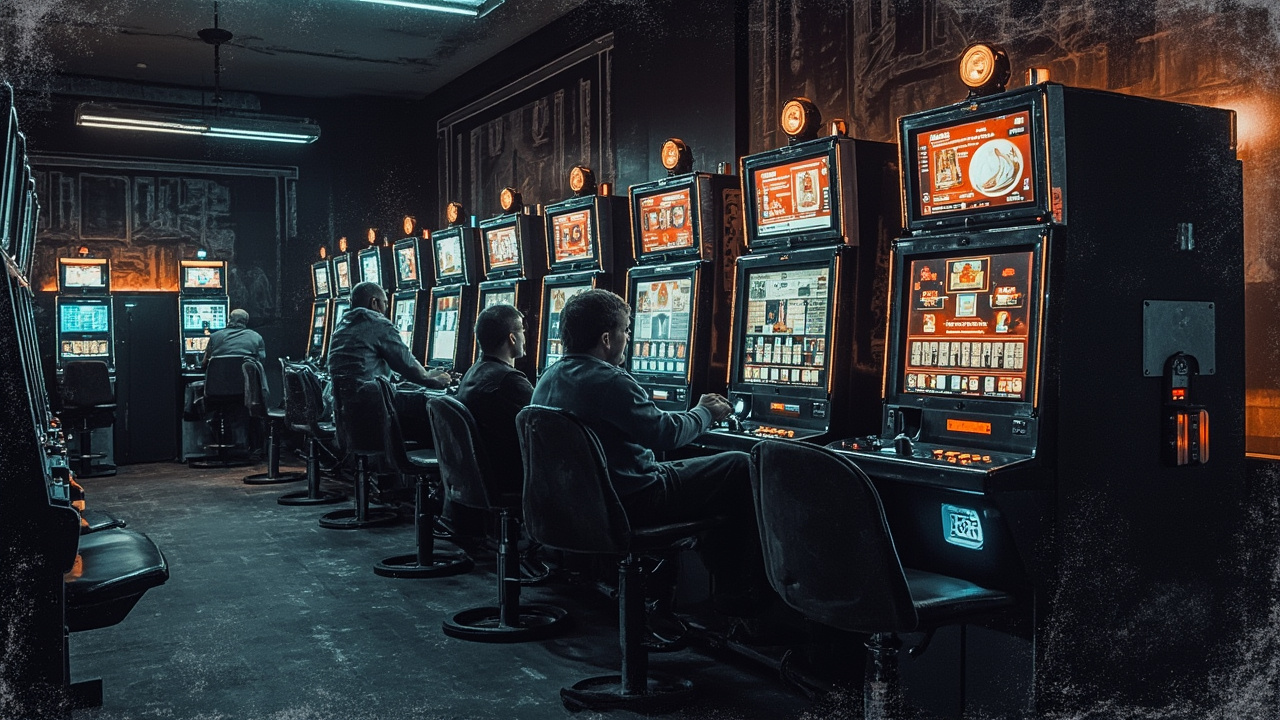
I spoke with Georgia Walsh, Strategy Director, Tasman Gaming Partners, who pointed out that session length is usually a better indicator of player fit than theme, because a machine that feels comfortable in a short window tends to keep its maths readable. Annika Green, Affiliate Partnerships Director, Blue Mountains Interactive, was more cautious, noting that a fast-loading game still needs a clear bonus mechanic so the short session does not collapse into a series of near-misses that only waste time. Chloe Fraser, Customer Experience Lead, Harbour City Gaming Review, added that support response speed matters more in a quick session than in a long one, because if something goes wrong you want it fixed before the break is over. The practical takeaway is simple: choose a game whose bet range, volatility, and bonus behaviour match the time you actually have, not the time you wish you had.
When you are testing a short session, the right move is to set your limits first and then judge the machine on whether it respects them. A good setup lets you stop cleanly, keeps the cashier honest, and does not pretend to be something it is not. If you want to compare a few options side by side before you commit, you can check the current entries at https://bonusrocketplay.org/aus/ and see how each one handles the basics that matter for a quick break. The best choice is the one that fits your window, your bankroll, and your tolerance for paperwork, not the one with the loudest theme.